
The Story of 101 Greens
Kannadaನೂರೊಂದು ಸೊಪ್ಪುಗಳ ಕಥೆ Hindiएक सौ एक साग की कहानीVillage elders in old Mysore and Bengaluru districts say there are a hundred and one greens worth eating. Most Bengaluru kitchens now cook four. This is a field guide to what we've been forgetting — names, seasons, nutrition — and an honest account of which of them you'll find in a Satva Farm box, and which you'll have to hunt down at the santhe.
Why this list exists
Walk through a Bengaluru vegetable market at 6 a.m. and you will still hear it — "dantina sopp, sabsige sopp, menthya sopp, soppuuuu!" A woman with a cane basket, greens tied in bundles with their own stems, sold by the kattu, not the kilo.
Then walk into a supermarket at 6 p.m. Spinach in a plastic clamshell. Maybe methi. Maybe lettuce that travelled 400 km in a refrigerated truck. Somewhere between those two hours, roughly ninety-five greens went missing.
That loss is not sentimental. It is nutritional, agricultural and financial. The greens that vanished were the ones that grew without irrigation on bunds and lake beds, the ones that came free with the monsoon, the ones with the highest mineral density and the deepest medicinal use. What replaced them are three crops bred for shelf life and transport.
So here is the full picture: what grows in Karnataka, what each one is called in the three languages you're likely to shop in, when it's actually in season, what it does for you nutritionally, and — at the end, plainly — what we grow at Satva Farm and what we don't.
The ledger
Twenty-four greens, three languages
Names first, because you cannot buy what you cannot ask for. Seasons are for the Bengaluru plateau and the southern Karnataka maidan — the coast and the Ghats run wetter and earlier. Nutrition figures are approximate, per 100 g of raw leaf, drawn from standard Indian and USDA food composition tables; real values swing with variety, soil and how long ago it was cut.
Peaks Jun–Oct, sown year-round
The workhorse. Roughly 215 mg calcium, 2.3 mg iron and 43 mg vitamin C per 100 g, with more protein than most leaves. Red-stemmed kempu harive carries betalain pigments; green hasiru dantu is milder. Ready to cut 25–30 days from seed, which is why it feeds Karnataka.
Grown at SatvaBest Nov–Feb; bolts in summer heat
A North Indian and Persian arrival that naturalised into the Kannada kitchen. 2.7 mg iron, 194 µg folate and an enormous 483 µg vitamin K per 100 g. High in oxalates, so the iron and calcium are poorly absorbed raw — cook it, and finish with lemon or pair with dal.
Two sizes at SatvaOct–Feb is when it's sweet, not bitter
Around 4.4 g protein and close to 395 mg calcium per 100 g — one of the highest-calcium leaves in everyday use. The bitterness is galactomannan-rich soluble fibre and 4-hydroxyisoleucine, both studied for blood-sugar response. Grown in the cold, it loses most of that bitterness.
At SatvaAll year; fragrance peaks Nov–Feb
Treated as garnish, eaten as medicine. 310 µg vitamin K and 27 mg vitamin C per 100 g, plus linalool and the polyphenols that make it smell like that. The aroma compounds are volatile — which is exactly why week-old coriander tastes like green paper.
At SatvaOct–Feb
Underrated and mineral-dense: about 208 mg calcium, 85 mg vitamin C and useful iron per 100 g. Carvone and limonene are the carminative compounds behind its long use for colic and bloating. Cooked with moong dal and a spoon of ghee, it's one of the best things in a Karnataka winter.
At SatvaAll year from runners; lushest post-monsoon
Surprisingly iron-rich for a herb — roughly 5 mg iron and 240 mg calcium per 100 g, though you rarely eat 100 g of it. Menthol and rosmarinic acid do the antispasmodic and antihistamine work that makes pudina chutney more than a flavour.
At SatvaAll year; tender flush after rain
The most-cooked and least-eaten leaf in South India. About 830 mg calcium per 100 g — more than most dairy by weight — plus carbazole alkaloids like mahanimbine studied for lipid and glucose effects. None of that reaches you if you push it to the side of the plate. Grind it into chutney pudi instead.
At SatvaAll year; heavy flush Jun–Sep after pruning
The outlier. Roughly 9.4 g protein, 185 mg calcium, 4 mg iron and 51 mg vitamin C per 100 g of fresh leaf — protein numbers no other common leaf reaches. Also carries isothiocyanates. A tree that fruits, flowers and feeds, growing on the worst soil you own.
At SatvaJun–Oct; loves heat and rain together
A climbing vine, not a spinach at all. About 102 mg vitamin C per 100 g — four times spinach — plus folate, vitamin A and a soluble mucilage that thickens basale soppu saaru and soothes the gut lining. The one green that gets better as Bengaluru gets muggier.
Not at Satva yetSown with the rains, cut Aug–Nov
The sour one. Around 215 mg calcium per 100 g with good vitamin C and iron; the sharpness is malic, oxalic and ascorbic acid together, which is also why it needs no tamarind. North Karnataka eats it as pundi palya with jowar roti; Andhra turned it into pachadi.
At SatvaNov–Feb only, in the cold
Roughly 70 mg vitamin C and 258 µg vitamin K per 100 g, plus the glucosinolates — sinigrin and its breakdown products — that give brassicas their peppery bite and their reputation in cancer-prevention research. In Karnataka more often used as a wild kadu sasive than a field crop.
Not at Satva yetNov–Feb
Bright, lemony, about 48 mg vitamin C per 100 g. Also genuinely high in oxalic acid — this is the one green to eat in small quantities, cooked, and to avoid if you form kidney stones. Traditionally cooked with dal precisely because calcium in the dal binds some of the oxalate.
Not at Satva yetJun–Sep, the monsoon leaf
Big vitamin A and folate numbers, and the base of coastal Karnataka's pathrode. Must be cooked with tamarind or lime — raw calcium oxalate crystals cause the throat itch, and acid plus heat dismantles them. Never eat it raw, and pick the non-itchy cultivar if you can.
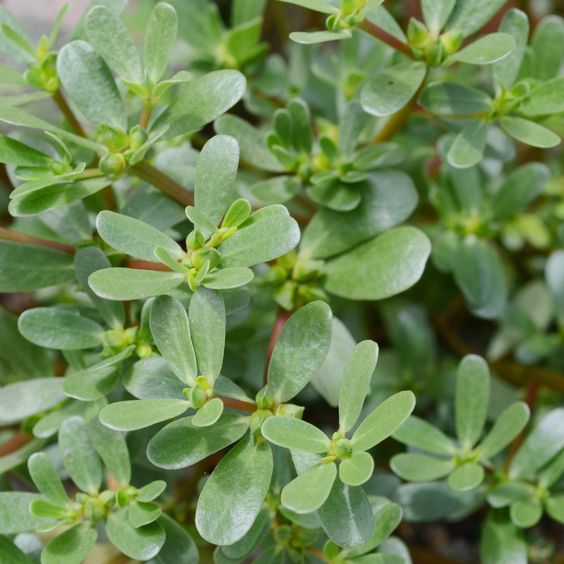
Not at Satva yetMar–Sep; a succulent that shrugs off drought
The highest omega-3 content of any leafy vegetable measured — roughly 300–400 mg ALA per 100 g — plus 68 mg magnesium, potassium and betalains. Lemony and crunchy raw, which almost no Indian green is. Grows as a weed and is treated as one, which is a small tragedy.
At SatvaJun–Oct on lake beds and wet field margins
Foraged, not farmed — women on Bengaluru's lake edges still cut it with clam shells. Dense in beta-carotene and iron, traditionally given for eye health, digestion and post-partum recovery. Its survival is tied directly to whether the city's lake beds survive.
In our Heirloom Greens MixPerennial shrub, picked all year
Called the multivitamin plant for good reason — unusually high protein for a leaf, with strong vitamin B, vitamin C and carotenoid levels. A handful goes into palya, sambar or tambuli. Grows from a stem cutting in a pot, which makes it the single best plant to keep on a Bengaluru balcony.
In our Heirloom Greens MixPerennial, thickest leaves in summer
Every Kannada household had one in a pot by the door. Thick, furred, carvacrol-heavy leaves given for cough, cold and colic — usually crushed with honey, or fried into tambuli. Medicinal rather than nutritional: a few leaves, not a bowl.
In our Immunity MixJun–Oct in damp, shaded ground
One round leaf per stalk — hence onde-elaga, "single leaf". The triterpenes asiaticoside and madecassoside are the reason it appears in both Ayurvedic memory tonics and modern wound-healing creams. Eaten as chutney and tambuli, rarely as a bulk green.
In our Immunity MixTender flush Mar–Apr, around Ugadi
Eaten as ritual before it is eaten as food — bevu-bella, neem and jaggery, on Ugadi day. Nimbin and azadirachtin are antimicrobial and antiparasitic; the bitterness is the active ingredient. Use in very small amounts, and skip it entirely in pregnancy or while trying to conceive.
At SatvaOct–Feb, with the flowers
A fast-growing nitrogen-fixing tree whose leaves and white flowers both go into the pot. High in calcium, iron and vitamin A; slightly bitter, so it's usually cooked with coconut and dal. Farmers plant it on field bunds — food and green manure from the same tree.
Not at Satva yetJun–Oct, self-seeding in field corners
Given for mouth ulcers and liver complaints across rural Karnataka, cooked with dal into massoppu. Only the ripe black berries and mature leaves are safe — unripe green berries contain solanine. Know your plant, or buy it from someone who does.
Not at Satva yetPerennial clump, cut all year
Citral-rich and antimicrobial, brewed as kashaya long before it appeared in Thai curries. Doesn't contribute meaningful bulk nutrition — it's an aromatic — but a clump in the garden is one of the easiest useful plants in Karnataka, and it keeps giving for years.
At SatvaNov–Feb outdoors; year-round under shade net
Not traditional, but genuinely Karnataka-grown now — the plateau's cool nights and 900 m elevation suit them better than almost anywhere else in India. Arugula carries 160 mg calcium and dietary nitrates per 100 g; bok choy about 45 mg vitamin C. Bengaluru's climate earned these.
All four at SatvaWhen to buy what
The Karnataka soppu calendar
Karnataka has three growing windows, not four seasons: the cool dry Rabi months when brassicas and umbellifers are at their sweetest, the hot dry stretch when only succulents and perennials hold, and the monsoon, when the wild greens come up on their own and cost nothing.
Nov – Feb · Rabi
Cool nights, low pest pressure, slow growth and concentrated flavour. Methi loses its bitterness, dill and coriander get intensely aromatic, mustard and sorrel appear. The single best window for greens in the year — and the one Bengaluru mostly sleeps through.
Mar – May · Summer
Leaf crops bolt and turn bitter in the heat. What holds: purslane, basale once the pre-monsoon showers start, chakramuni, doddapatre, moringa, and the tender neem flush that Ugadi is built around. Perennials carry you through.
Jun – Oct · Kharif
The abundance. Amaranth every three weeks, honagone on lake beds, ganike self-seeding in field corners, ondelaga in damp shade, gongura from August, colocasia leaves for pathrode. Also peak leaf-borne parasite risk — wash in salted water, and cook the foraged ones.
What's actually in them
Not all greens are doing the same job
"Eat your greens" flattens a group of plants that are nutritionally very different from one another. Curry leaf is a calcium supplement you throw away. Moringa is closer to a pulse than a leaf. Purslane is the only one bringing omega-3. Rotating them isn't fussiness — it's how you actually cover the range.
Calcium · mg per 100 g raw
Vitamin C · mg per 100 g raw
Iron · mg per 100 g raw
Protein · g per 100 g raw
Vitamin A · µg RAE per 100 g raw
Vitamin K · µg per 100 g raw
Folate · µg per 100 g raw
Magnesium · mg per 100 g raw
Four things worth knowing before you cook
Oxalates block the minerals on the label. Spinach, amaranth, sorrel, purslane and colocasia are all high in oxalic acid, which binds calcium and iron into compounds you can't absorb. Cooking and discarding some water helps; so does the traditional pairing with dal, coconut or curd. If you form kidney stones, keep these moderate and cooked.
Iron from leaves needs vitamin C. Non-heme plant iron is absorbed poorly on its own. A squeeze of lime at the end of the palya, or tomato in the saaru, can multiply absorption several times over. Tea or coffee within the hour does the opposite.
Vitamin K matters if you're on warfarin. Spinach, coriander, arugula and mustard greens are very high in vitamin K. You don't need to avoid them — but keep your intake steady rather than swinging from none to a bowlful, and tell whoever manages your INR.
Fat unlocks the carotenoids. Vitamin A precursors and lutein in dark greens are fat-soluble. The ghee, coconut or oil in a traditional palya isn't indulgence; it's what makes the beta-carotene bioavailable. Steamed greens with nothing on them are a waste of good beta-carotene.
The case for local
Why the distance a leaf travels changes what it is
Nutrients leave before the leaf looks tired
Wilting is a water story. Vitamin C, folate and the volatile aromatics in coriander and dill start dropping within hours of the cut, long before anything looks wrong. A leaf can be perfectly presentable and have lost half of what you bought it for.
Distance selects for the wrong plants
Anything that has to survive a truck gets bred for thick cuticles, tough midribs and shelf life. Honagone, basale and purslane fail that test completely — they collapse in a day. That's precisely why they disappeared from retail, and it has nothing to do with how good they are.
Local greens need fewer inputs to grow
Amaranth, basale, honagone and moringa are adapted to this rainfall, this soil, this pest complex. They yield without the chemical scaffolding a mismatched crop needs. Growing what belongs here is the cheapest possible route to a clean plate.
Variety is a measurable health outcome
Gut microbiome research keeps landing on plant diversity — the number of distinct species you eat in a week — as a stronger predictor of microbial richness than whether you eat organic or vegetarian. Four greens on rotation is a poor showing when your grandmother cooked thirty.
Seasonality was never optional
A green forced out of season needs shade nets, extra water, more spraying, and it still tastes thinner. Karnataka's calendar already tells you what to eat: bitter neem at the turn of the year, mucilaginous basale in the humidity, sour gongura when the rains break. That's not folklore, it's agronomy with a festival attached.
If nobody buys them, they stop existing
Every soppu that leaves the market takes its seed line, its growers and its recipes with it. Honagone survives only as long as Bengaluru's lake beds and the women who harvest them do. Demand is the only conservation tool that works at market speed.
On the farm
What we actually grow, and what we don't
Everything below is grown on our certified organic farm at Agalakote, Devanahalli, cut on harvest morning and driven into Bengaluru the same day. Twenty-four greens and microgreens. We've also listed, plainly, the ones we don't have yet — because a list of Karnataka's greens that quietly stops at our own catalogue would be an advertisement, not a guide.
Everyday soppu The nine you'll cook this week
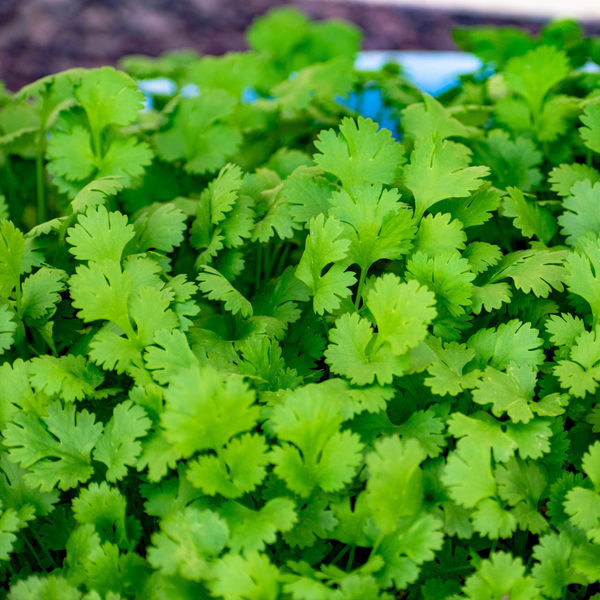
Coriander
ಕೊತ್ತಂಬರಿ ಸೊಪ್ಪುCut this morning, so it still smells like coriander. 200 g.
₹50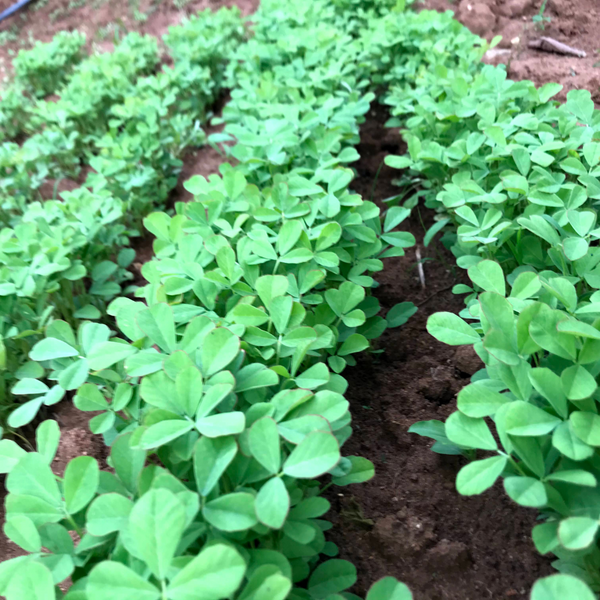
Methi (Fenugreek)
ಮೆಂತ್ಯ ಸೊಪ್ಪುHighest-calcium leaf in regular use. Sweetest Nov–Feb. 200 g.
₹45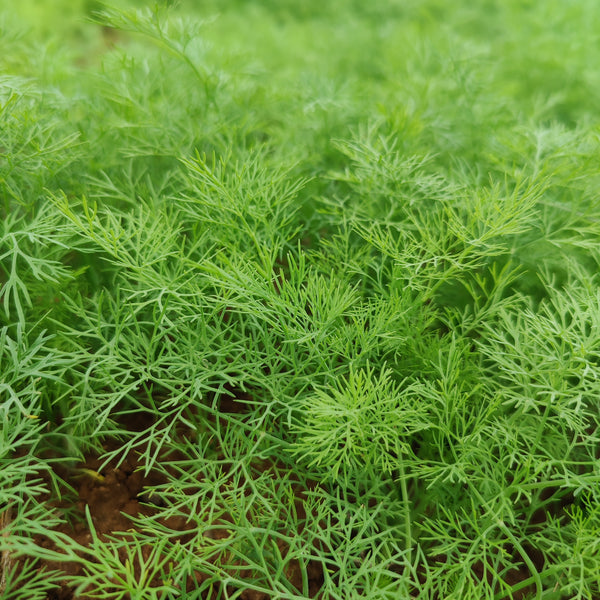
Dill
ಸಬ್ಬಸಿಗೆ ಸೊಪ್ಪುWith moong dal and ghee, the best thing in a Bengaluru winter. 200 g.
₹40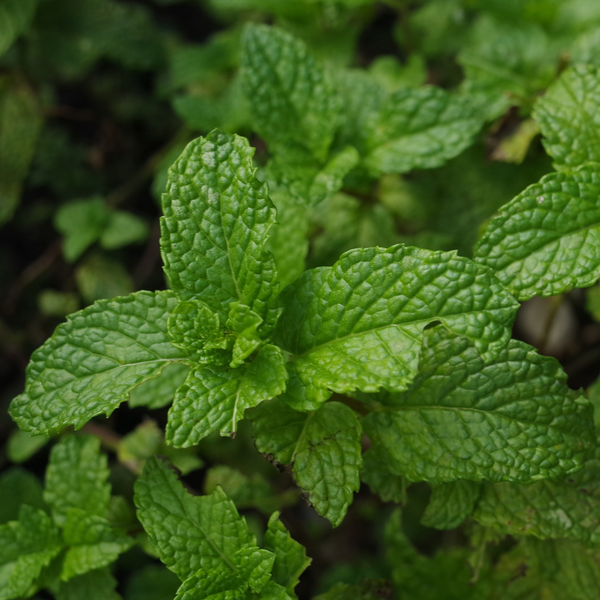
Mint (Pudina)
ಪುದೀನ ಸೊಪ್ಪುChutney, kashaya, or a fistful in the rice. 200 g.
₹38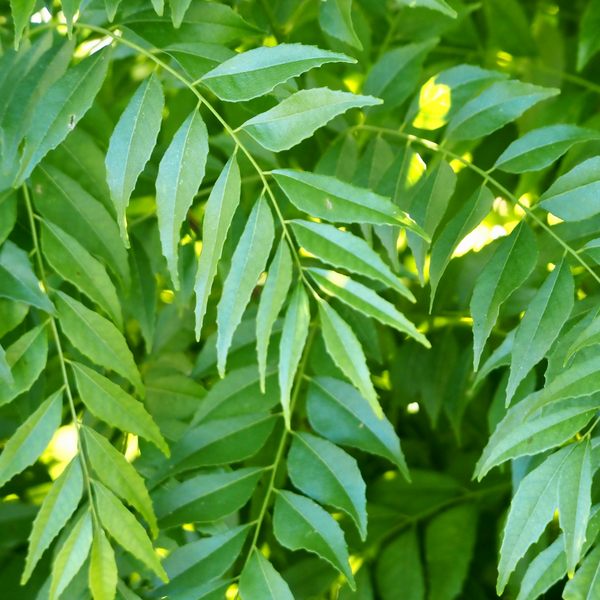
Curry Leaves
ಕರಿಬೇವು~830 mg calcium per 100 g. Stop leaving them on the plate. 80 g.
₹38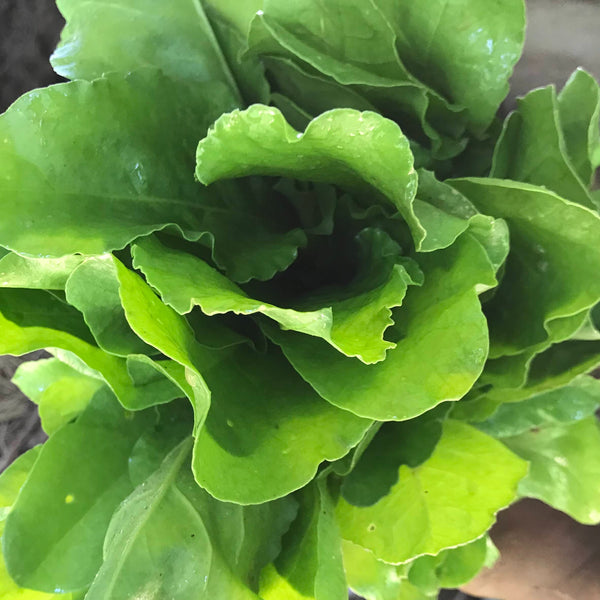
Cut Leaf Spinach
ಪಾಲಕ್ ಸೊಪ್ಪುFull-size leaf for palya, saaru and dal. 200 g.
₹40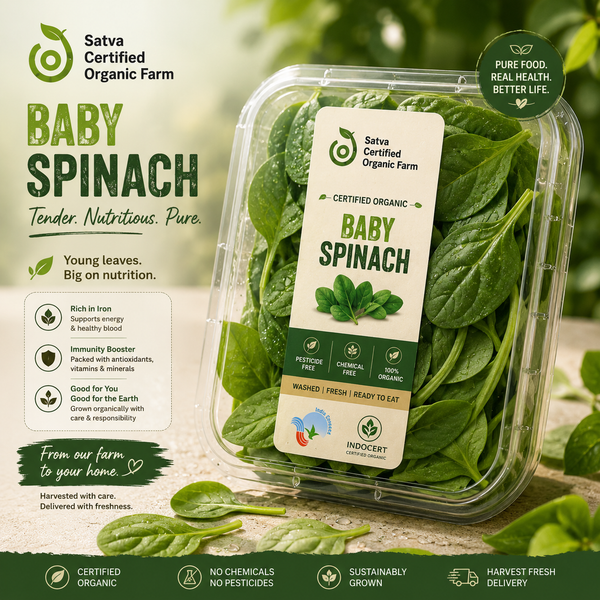
Baby Spinach, pre-washed
ಎಳೆ ಪಾಲಕ್Tender enough to eat raw. Washed, so you don't have to. 200 g.
₹120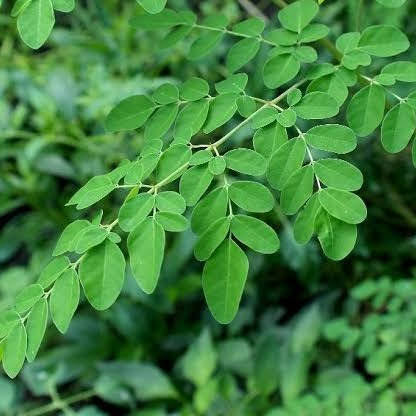
Moringa
ನುಗ್ಗೆ ಸೊಪ್ಪು9 g protein per 100 g. The most nutrient-dense leaf we grow. 300 g.
₹40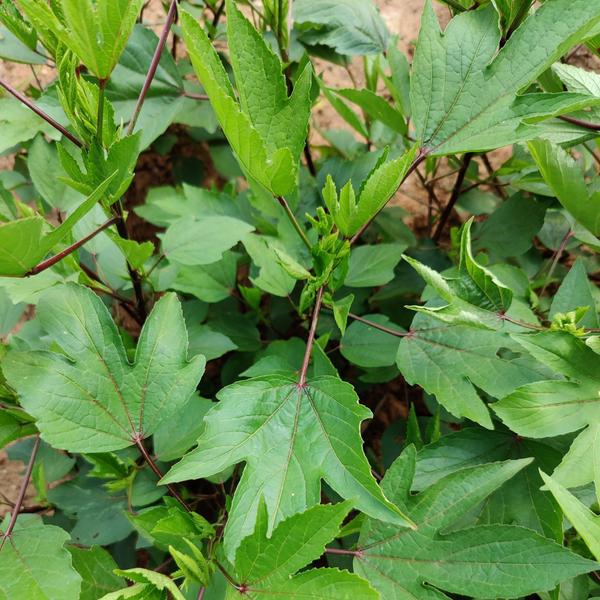
Gongura
ಪುಂಡಿ ಸೊಪ್ಪುSour enough that it needs no tamarind. Pachadi or palya. 200 g.
₹40Heirloom & forgotten The reason this blog exists
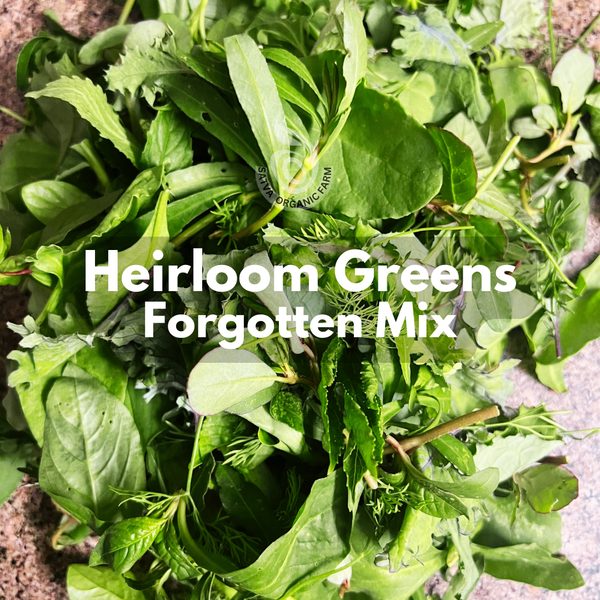
Country amaranth — ಹರಿವೆ / ದಂಟಿನ ಸೊಪ್ಪು — grows on our beds through the year and is cut into the Heirloom Greens Mix alongside chilakarive, honagone and goni soppu.
Medicinal & aromatic Kashaya, tambuli, and the pot by the door
Immunity Mix
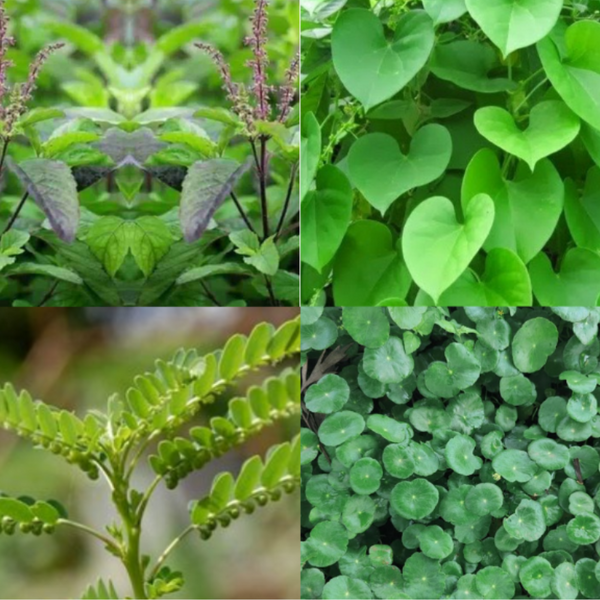
ಕಷಾಯದ ಸೊಪ್ಪುAt least four of: tulasi, amruthaballi, brahmi, nelanelli, doddapatre, ashwagandha. A week of kashaya. 120 g.
₹55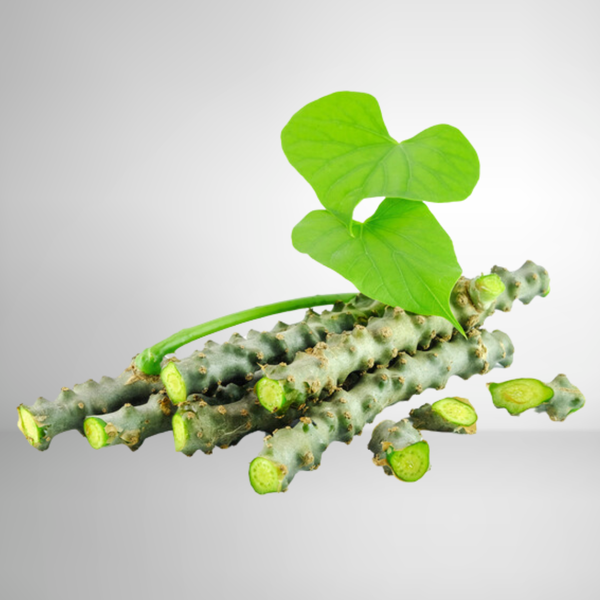
Gaduchi (Amruthaballi)
ಅಮೃತಬಳ್ಳಿGiloy — the classical Ayurvedic rasayana, fresh rather than powdered. 120 g.
₹65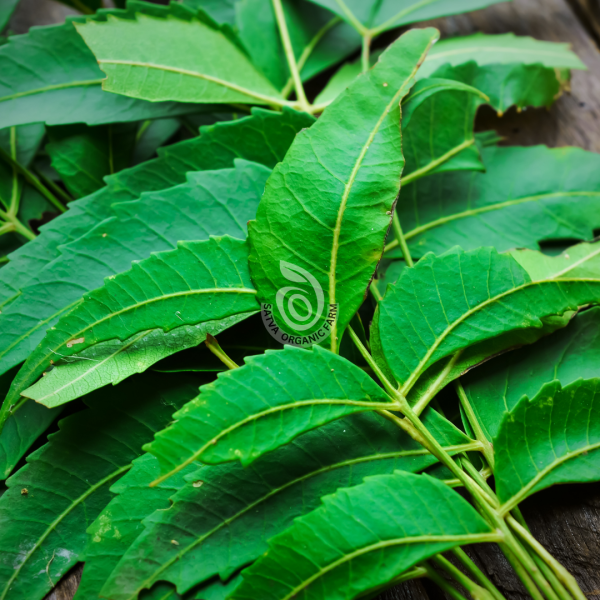
Neem Leaves
ಬೇವಿನ ಸೊಪ್ಪುFor bevu-bella, for the tadka, for the bath water. Small quantities. 250 g.
₹40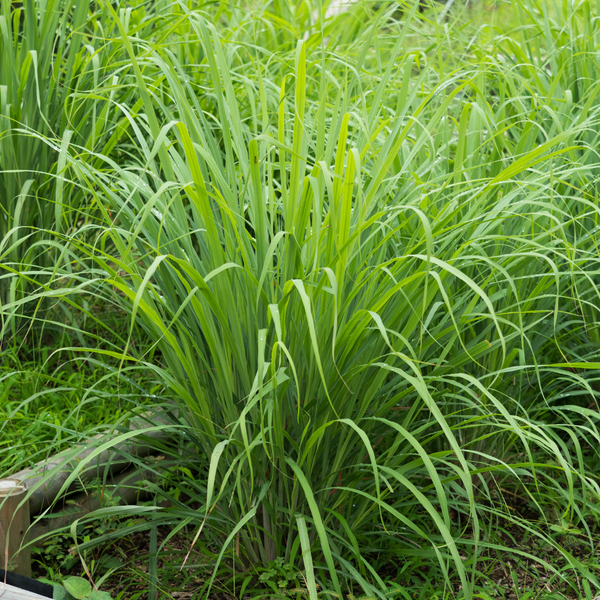
Lemongrass
ಮಜ್ಜಿಗೆ ಹುಲ್ಲುKashaya first, Thai curry second. 300 g.
₹38Salad greens Not traditional. Genuinely Karnataka-grown.
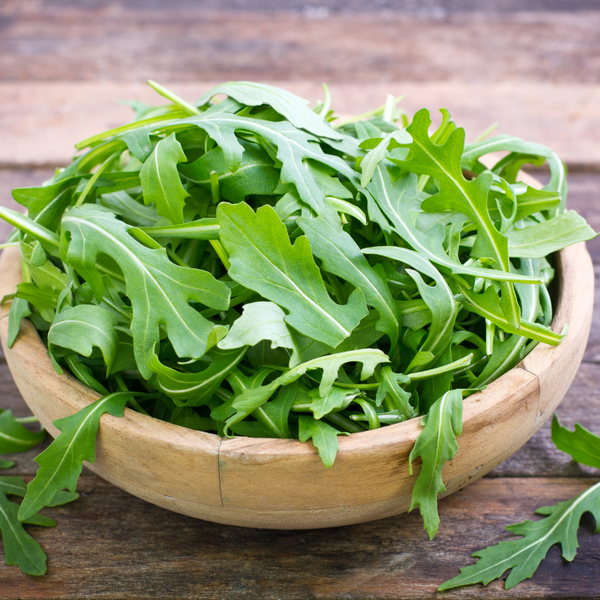
Arugula (Rocket)
ಅರುಗುಲಾPeppery, nitrate-rich, 160 mg calcium per 100 g. 220 g.
₹112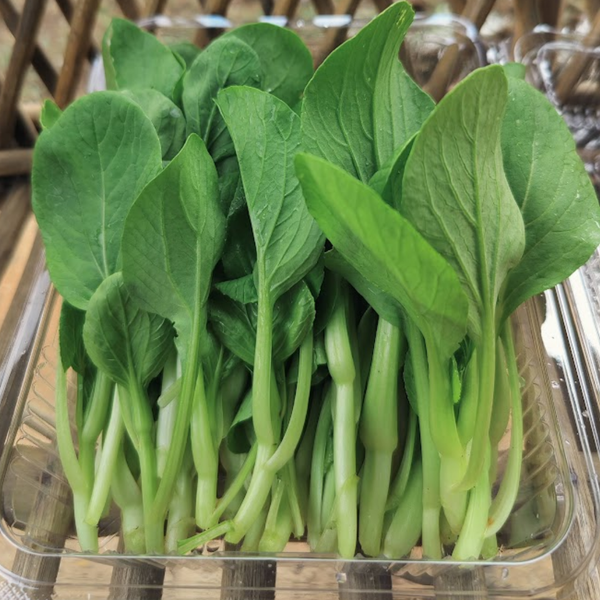
Baby Bok Choy
ಬೊಕ್ ಚಾಯ್Stir-fries in ninety seconds. A brassica that likes our winter. 300 g.
₹62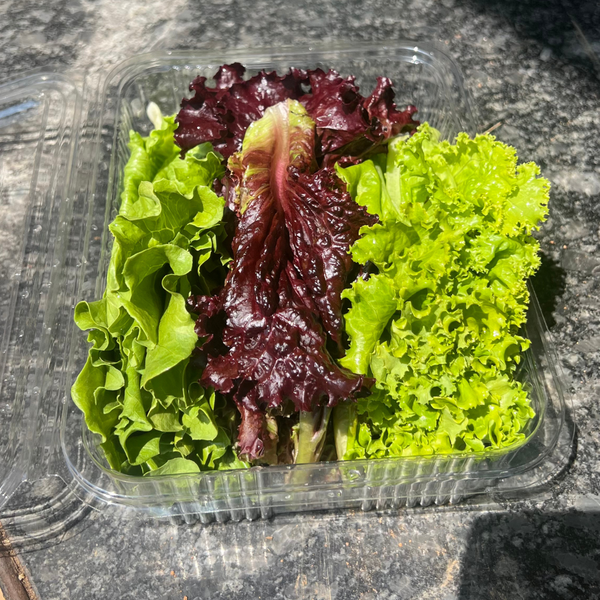
Lettuce Mix
ಲೆಟ್ಯೂಸ್ ಮಿಶ್ರಣSeveral varieties, several textures, one bag. ~250 g.
₹75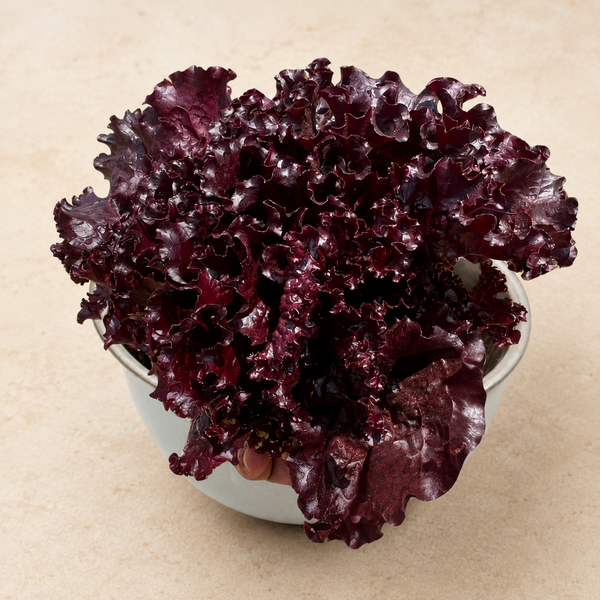
Red Sails Lettuce
ಕೆಂಪು ಲೆಟ್ಯೂಸ್Anthocyanin-red frilled leaf, soft and non-bitter. ~250 g.
₹45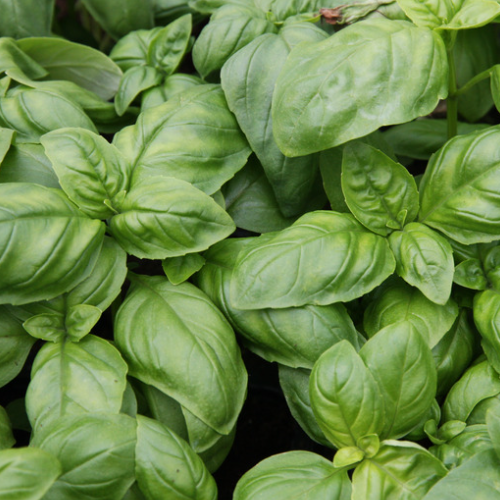
Italian Basil
ಇಟಾಲಿಯನ್ ತುಳಸಿPesto, bruschetta, or torn over anything. 75 g.
₹58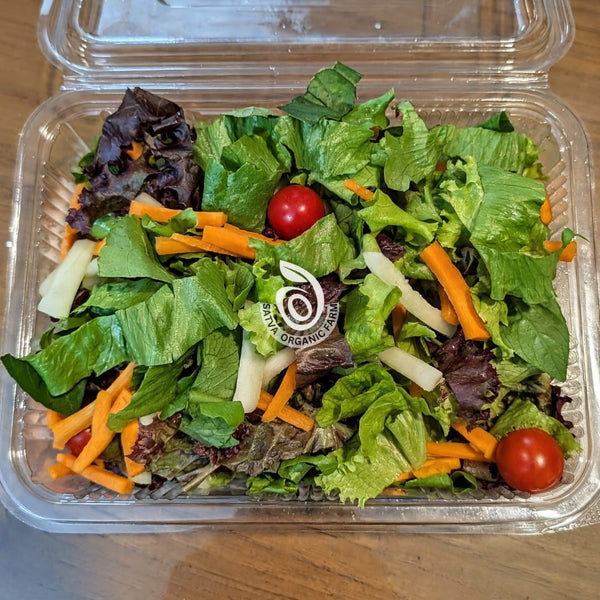
Garden Harvest Salad
ಸಲಾಡ್Lettuce, basil, cherry tomato, cucumber, carrot. Assembled, not shipped. ~250 g.
₹125Microgreens & living greens Seven days from seed to plate

Microgreens — Premium Mix
ಮೈಕ್ರೊಗ್ರೀನ್ಸ್At least five of red kale, broccoli, songo radish, beet, pak choi, pea shoot, white radish, sunflower. 75 g.
₹148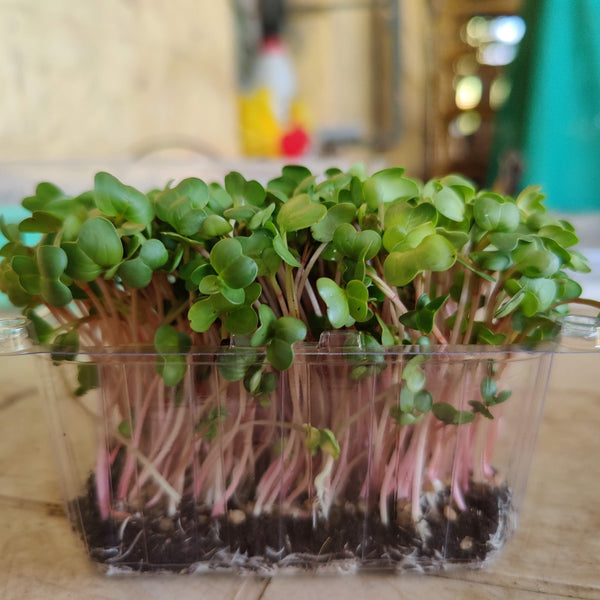
Microgreens — Radish
ಮೂಲಂಗಿ ಮೊಳಕೆSharp, mustard-hot, magenta stems. The one that converts sceptics. 100 g.
₹148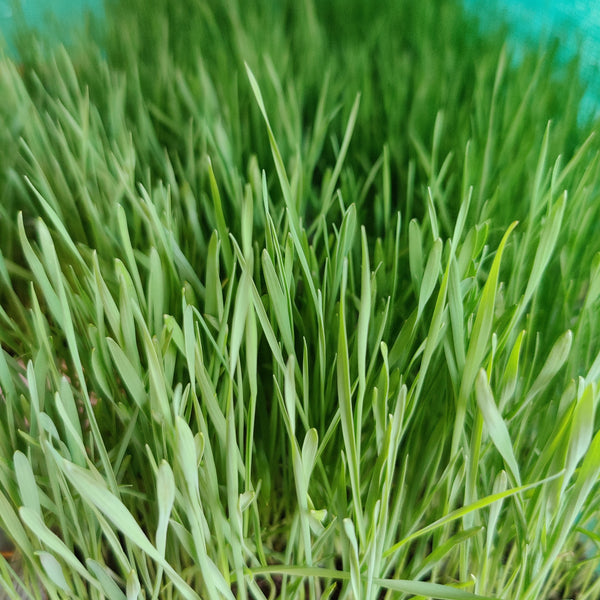
Living Wheatgrass
ಗೋಧಿ ಹುಲ್ಲುDelivered still growing in its tray. Cut what you need, when you need it. 100 g.
₹65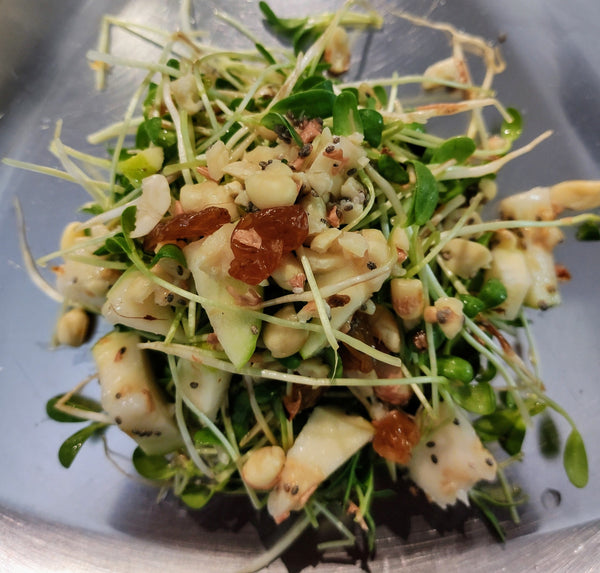
Microgreens Salad
ಮೈಕ್ರೊಗ್ರೀನ್ಸ್ ಸಲಾಡ್A full meal built on microgreens rather than a garnish of them. 200 g.
₹245The honest half of the list
Seven greens we don't grow — yet
Some of these are on the trial beds. Some are genuinely difficult to grow to a size and consistency worth delivering. All of them are worth eating, so here's where to find them: the Wednesday and Saturday santhe, the soppu vendors on Malleswaram 8th Cross and around KR Market, and any village weekly market within an hour of the city.
Malabar spinach
ಬಸಳೆ ಸೊಪ್ಪುA vine, not a bed crop — needs a trellis and a long season. Best bought fresh at the santhe in the monsoon, or grown up your own balcony grille from a cutting.
Mustard greens
ಸಾಸಿವೆ ಸೊಪ್ಪುA four-month winter crop for a six-week eating window. On the trial list for the coming Rabi season.
Sorrel
ಹುಳಿಚುಕ್ಕೆ ಸೊಪ್ಪುWonderful and genuinely high in oxalate, which makes it a small-quantity green. Hard to justify a full bed; easy to grow in one pot at home.
Colocasia leaves
ಕೆಸುವಿನ ಸೊಪ್ಪುNeeds the right non-itchy cultivar and marshy ground. Coastal Karnataka does this far better than the Devanahalli plateau ever will.
Agathi
ಅಗಸೆ ಸೊಪ್ಪುA tree that takes a year before it earns its place. We've planted a few on the bunds; ask us again next winter.
Black nightshade
ಗಣಿಕೆ ಸೊಪ್ಪುSelf-seeds in our field corners rather than in rows. Identification matters with this one, so we'd rather not sell it than sell it wrong.
Kale and Swiss chard
ಕೇಲ್Frequently requested, not yet in production. If enough of you ask, they go into the next planting plan — that's genuinely how we decide.
The seven-day crop
Microgreens aren't a garnish
They're the plant at the point where it has stopped living on the seed and started photosynthesising — usually seven to fourteen days in, at the first true leaves. Everything the seedling needs to defend itself is still concentrated in a very small amount of tissue.
The most-cited study on this, from the USDA and University of Maryland, analysed twenty-five varieties and found that most carried substantially higher concentrations of vitamin C, vitamin E, vitamin K and carotenoids than the mature leaves of the same plant — red cabbage microgreens came out highest in vitamin C. Radish and broccoli microgreens also carry glucosinolates at concentrations mature heads rarely reach.
The caveat is honest: that's per gram, and you eat a small handful, not a bowl. Microgreens are a concentrate, not a substitute for the 200 g of amaranth in your saaru. Use them where heat won't destroy them — scattered on top at the end, folded into curd rice, on a dosa after it comes off the tawa.
Why they matter in a city: a tray needs a windowsill, a week, and no soil chemistry at all. It's the one form of farming a Bengaluru apartment can actually do.

Cook's note
Massoppu — the mixed-greens saaru
ಮಸ್ಸೊಪ್ಪುThis is the dish the whole tradition is built around: whatever greens the morning gave you, cooked together with dal. It's forgiving by design — the point is variety, not a fixed recipe.
- Take three to five different greens, roughly 400 g total. A mix of one bulky green (amaranth, spinach, basale), one sour or bitter (gongura, methi, sorrel), and two or three wild or aromatic ones (honagone, ganike, chakramuni, dill) is the classic balance.
- Wash in salted water, twice. Monsoon greens especially — leaf-borne parasite eggs are the one real risk with foraged soppu, and salt water plus a proper rinse handles it.
- Chop coarse and pressure-cook with ½ cup toor dal, turmeric, green chillies and just enough water. Three whistles.
- Grind a spoon of coconut, cumin and a little soaked rice to a smooth paste; stir it in. This is what thickens it, not flour.
- Tamarind to taste — skip it if gongura or sorrel is in the mix, they've done the job.
- Tadka of ghee, mustard, and a generous handful of curry leaves. The fat matters: it's what makes the carotenoids absorbable.
- Eat with ragi mudde or rice. Finish with lime, which is what turns the leaf iron into iron you can actually use.
Storing
Don't wash before storing. Wrap unwashed greens in a dry cotton cloth, then into a box in the fridge. Wash right before cooking. Coriander and mint keep best standing in a glass of water with a bag over the top.
Reviving
Limp greens are usually just thirsty, not dead. Ten minutes in cold water brings most of them back structurally — though not nutritionally. Use those first.
Ordering
Buy greens for two or three days, not a week. It feels less efficient and it is meaningfully better food. Our harvest days are Wednesday and Saturday for exactly this reason.
A hundred and one greens is not a target. It's a reminder of how much range we used to have, and how much of it is still growing forty kilometres north of the city — on lake beds, on field bunds, and on our beds at Agalakote.
Order by 12 pm Tuesday for Wednesday delivery, or 12 pm Friday for Saturday. Cut that morning, in your kitchen that evening.
Shop greens & microgreens